Intensive Driving Courses in Kent: Costs, Hours and How to Pass Faster
Written by the Kinetic Driving School team, a 5-star Which? Driving School rated school with DVSA-approved (ADI) instructors across Kent. Last updated June 2026.
The short answer
An intensive driving course in Kent packs the driving experience most learners need into one to two weeks instead of several months. You typically take 5 to 7 hours of tuition a day, working towards a practical test at the end of the block. For a complete beginner, a 30 to 40 hour course in Kent usually costs between £900 and £1,800, depending on how many hours you need and whether the test fee is included. With practical test waiting times still sitting at around 20 weeks across much of England in 2026, an intensive course paired with an early test booking is one of the fastest realistic routes to a full licence.
That is the headline. Below we explain how the courses work, who they suit, what they really cost, and how to choose one that gives you the best chance of passing first time.
What is an intensive driving course?
An intensive driving course, sometimes called a crash course or fast-track course, condenses your learning into a short, concentrated block rather than spreading weekly lessons over many months. Instead of one or two hours a week, you might do a full day behind the wheel, several days in a row.
The aim is simple: build your skills quickly while everything stays fresh, then sit your practical test soon after the course finishes. Because there is no long gap between lessons, many learners find the muscle memory sticks faster.
Courses come in different shapes:
- Full beginner courses for people who have never driven, usually 30 to 40+ hours.
- Semi-intensive courses spread over two to four weeks for those who want a faster pace without full days.
- Refresher or “test-ready” courses of 5 to 15 hours for learners who have driven before and just need polish before a test.
How long does an intensive driving course take?
Most intensive courses run over one to two weeks, with daily sessions of around 5 to 7 hours. A complete beginner generally needs more hours than someone with previous experience.
This lines up with long-standing DVSA guidance, which suggests the average learner needs around 45 hours of professional lessons plus roughly 22 hours of private practice to reach test standard. An intensive course compresses the professional hours into a tight block. The honest caveat: not everyone is ready to pass in a week. A good school assesses your starting point first and recommends an hour count that is realistic for you, rather than selling you a one-size-fits-all package.
How much does an intensive driving course cost in Kent?
Pricing depends on your experience level, the number of hours, your transmission choice, and whether the practical test fee is bundled in. As a current guide for 2026:
| Course type | Typical hours | Who it suits | Typical UK price range |
|---|---|---|---|
| Refresher / test-ready | 5 to 15 hours | Previous experience, test booked | £225 to £600 |
| Semi-intensive | 20 to 30 hours | Some experience, steadier pace | £700 to £1,200 |
| Full beginner course | 30 to 40+ hours | Brand new drivers | £900 to £1,800 |
For context, standard pay-as-you-go driving lessons in the UK average £32 to £45 per hour in 2026, so intensive courses are not dramatically more expensive per hour. What you pay for is speed and structure. Remember the DVSA practical test fee, currently £62 on weekdays and £75 at weekends and evenings, which may or may not be included in a quoted price. Always ask.
Because the right number of hours varies so much from person to person, the most accurate figure comes from a quick assessment. For a tailored quote across Kent, see Kinetic’s intensive driving lessons in Kent page or get in touch for current pricing and any special offer.
Are intensive driving courses worth it?
For the right learner, yes. They are worth considering if you:
- Need your licence quickly for a job, a move, or a family commitment.
- Learn best with focused, repeated practice rather than weekly gaps.
- Have already booked a test date and want to be ready for it.
- Want to avoid the “two steps forward, one step back” feeling of spread-out lessons.
They may be less suitable if you are very anxious behind the wheel, have no flexibility in your schedule for full days, or would benefit from time to absorb skills between sessions. There is no shame in a slower route. The best outcome is a safe, confident driver, not just a quick pass.
Intensive course vs weekly lessons: which should you choose?
| Factor | Intensive course | Weekly lessons |
|---|---|---|
| Time to test | 1 to 2 weeks (plus test wait) | Often 6 to 12 months |
| Pace | Fast, immersive | Gradual, low pressure |
| Cost structure | One upfront block | Pay as you go |
| Best for | Deadlines, quick learners | Nervous drivers, busy schedules |
| Retention between sessions | High (no long gaps) | Can dip between weeks |
Why intensive courses make sense in Kent right now
There is a timing reason this option is so popular in 2026. Practical test waiting times remain stretched. According to DVSA data and a National Audit Office investigation, the rolling average wait has hovered around 20 weeks across much of England, with hundreds of thousands of learners in the booking system at any one time. The DVSA is rolling out new booking rules through 2026 to bring waits down, including limits on how often a test can be rescheduled and a requirement that only the learner can book or change their own test.
What does that mean for you? The smart move is to secure a test slot early, then time an intensive course to finish just before it. That way you are test-ready exactly when your slot arrives, rather than passing your course and then waiting months while your skills fade. A good Kent driving school will help you plan this sequence and can advise on local test centres such as Gillingham, Gravesend, Maidstone and Canterbury.
Manual or automatic for your intensive course?
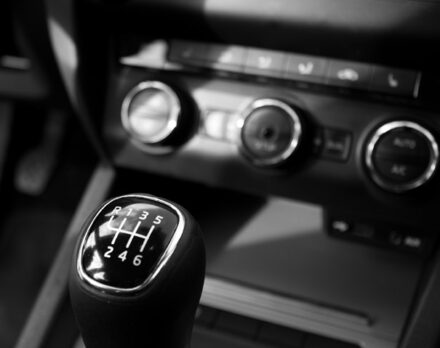
Both work well as intensive courses. Automatic cars remove gear changing and clutch control, which many learners find lets them reach test standard in fewer hours, especially if nerves or coordination are a worry. Manual gives you a licence to drive any car. If you are unsure, Kinetic offers both automatic driving lessons and manual driving lessons, and the school reports a 92% pass rate on its automatic tuition. For a fuller comparison, our guide on choosing between the two is a useful next read.
How to choose a good intensive course in Kent
A few checks help you avoid disappointment:
- Ask for an honest hours assessment. Be wary of any school that promises a guaranteed pass in a fixed number of hours without seeing you drive.
- Check the instructors are DVSA-approved (ADI). A green badge ADI has passed the full DVSA qualification.
- Confirm what is included. Test fee, car hire for the test, and any retest support should be spelled out.
- Read recent reviews. Look for comments about local test routes and first-time passes in your area.
- Make sure the test is realistically timed. The course should finish close to your test date.
If you want a wider checklist, see our guide on how to choose the best driving school in Kent. Brand new to driving? It is worth reading what happens on your first driving lesson so you know what to expect on day one.
After you pass: keep building confidence
Passing fast is great, but a new licence is the start, not the finish. New drivers who passed quickly can benefit from extra motorway and night-driving experience. The government-backed Pass Plus scheme builds these skills and may even reduce insurance costs with some providers. It is a sensible add-on after an intensive course.
Ready to fast-track your licence in Kent?
If a deadline is looming or you simply want to stop putting it off, an intensive course could get you driving in weeks. Kinetic Driving School runs intensive and semi-intensive courses across Kent, in both manual and automatic, with a quick assessment to set the right number of hours for you. Explore intensive driving lessons in Kent or get in touch today for a tailored quote and current availability.
Frequently asked questions
How much is an intensive driving course in Kent?
For a complete beginner, a 30 to 40 hour intensive course in Kent typically costs between £900 and £1,800 in 2026, depending on hours needed and whether the practical test fee is included. Shorter refresher courses start from around £225. Get a tailored quote based on a short assessment for the most accurate figure.
How long is an intensive driving course?
Most run over one to two weeks, with daily sessions of about 5 to 7 hours. A complete beginner usually needs more hours than someone with previous driving experience. The DVSA suggests around 45 hours of lessons on average to reach test standard.
Do intensive driving courses include the practical test?
Some do and some do not. Many schools help you book a DVSA test and provide the car for it, but the test fee (currently £62 on weekdays, £75 evenings and weekends) is sometimes charged separately. Always confirm what is included before booking.
Are intensive driving courses worth it?
They are worth it if you have a deadline, learn well with focused practice, or already have a test booked. They suit quick, immersive learning. Very nervous drivers or those who prefer time between lessons may do better with regular weekly lessons.
Can you really pass in a week?
Some learners do, especially those with prior experience or who choose automatic. Complete beginners often need more time. A reputable school assesses your level first and gives you an honest, realistic plan rather than a guaranteed-pass promise.
Is an automatic or manual intensive course better?
Automatic courses often reach test standard in fewer hours because there is no clutch or gear work, which can suit nervous learners. Manual gives you a licence to drive any car. Choose based on your confidence and the type of car you plan to drive.